
Starting a construction project can feel exciting until you begin thinking about the decisions involved. You may have a clear picture of the finished space, but questions about costs, building requirements, project schedules, and construction responsibilities can quickly become overwhelming. Whether you are planning a new home, major renovation, or commercial remodeling project, construction planning services can help you understand the work before building begins.
Many property owners worry about spending money on the wrong decisions. Others feel uncertain about the order of construction activities or the changes that might become necessary during the project.
These concerns are reasonable. Construction involves several connected decisions, and overlooking an important detail during the early stages may create problems later.
The purpose of construction planning is to bring clarity to those decisions. It helps property owners understand the proposed work, establish priorities, and prepare for the construction process with greater confidence.
A well prepared plan cannot prevent every unexpected situation. However, it can provide a clearer direction and make construction responsibilities easier to understand.
Understanding Construction Planning Services
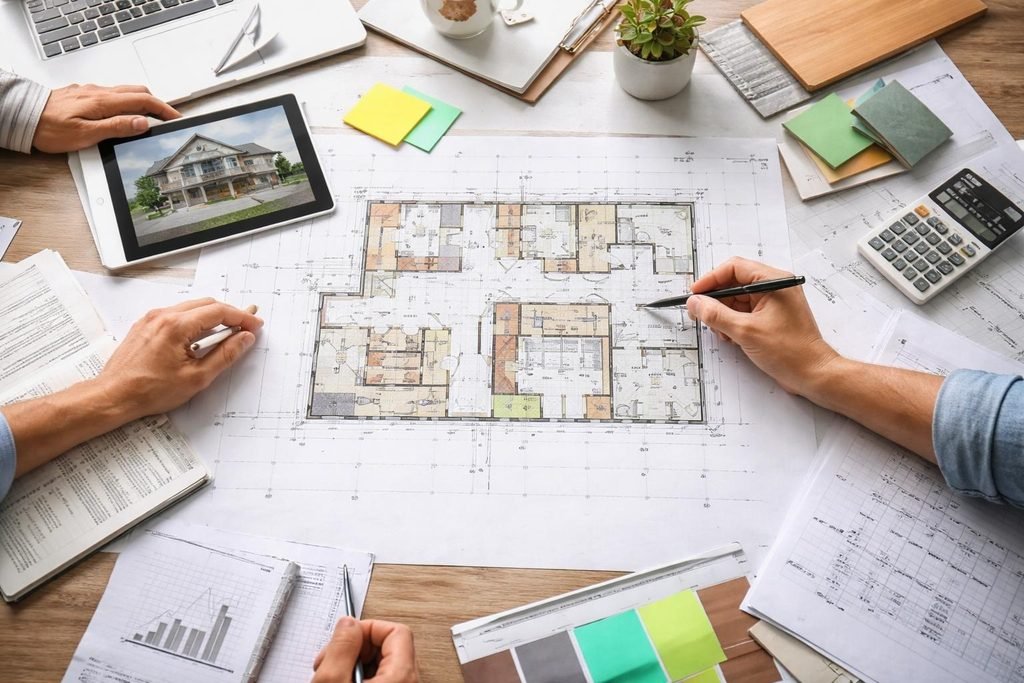
Construction planning services focus on preparing a building project before major construction activities begin.
The process involves reviewing the project goals, proposed building work, property conditions, construction requirements, and the steps needed to move toward completion.
Rather than starting construction immediately, property owners take time to understand the work they want completed and the decisions that may affect the project.
For example, someone planning a new residential property needs to consider the proposed layout, available budget, and construction requirements. A commercial property owner preparing for remodeling may need to consider the existing building and the changes required to support its intended use.
Although these projects are different, both benefit from clear planning.
The main purpose is to establish a practical direction before major building decisions become difficult or expensive to change.
The Importance of Planning Before Construction Begins
A construction project involves more than the physical building work.
Decisions about the property, design, budget, and project scope can affect several stages of construction.
When these decisions remain unclear, misunderstandings may arise after work has already started.
For example, a property owner may request changes to a room layout without realizing that the adjustment could affect other construction activities.
Early planning provides an opportunity to review these matters before the project moves forward.
It also helps everyone involved understand the intended result and the responsibilities associated with completing the work.
Construction Planning and Preconstruction Planning
Construction planning and preconstruction planning are closely connected.
Preconstruction planning focuses on the preparation required before the main building activities begin.
This may include reviewing the project scope, discussing design expectations, considering property conditions, and identifying construction requirements.
Construction planning also considers the organization and coordination of the work needed to complete the project.
Together, these activities help create a more organized approach to building.
The exact planning requirements depend on the type and size of the project.
Projects That Benefit From Construction Planning Services
Construction planning is relevant to several types of residential and commercial building projects.
Each project has different goals, but the need for clear preparation remains important.
Residential New Construction
Building a new home requires decisions about the property’s layout, room arrangements, and overall construction scope.
Homeowners may have ideas about their preferred design but feel uncertain about the steps required to turn those ideas into a completed house.
Construction planning services provide an opportunity to review the proposed work and understand the building process.
For residential new construction, early preparation also helps homeowners consider the relationship between their needs, available budget, and property conditions.
A clear plan supports better decisions before major construction activities begin.
Custom Home Construction
Custom home construction focuses on creating a residential property around the homeowner’s individual requirements.
The planning stage is especially important because the proposed design reflects personal preferences rather than a fixed layout.
For example, a family may want larger shared living spaces, while another homeowner may prioritize private bedrooms.
These preferences need to be considered alongside the practical requirements of the project.
Construction planning helps connect the homeowner’s ideas with the work required to complete the proposed building.
Major Home Remodeling
Major remodeling involves significant changes to an existing property.
Unlike new construction, the project must account for the condition and layout of the building already in place.
This can create additional planning considerations, particularly when the proposed changes affect several areas of the property.
Before remodeling begins, property owners should understand the intended improvements and the construction activities involved.
Clear preparation can reduce uncertainty about the project scope and the changes being requested.
Home Additions
Home additions involve expanding an existing house to provide additional living space.
The new area must connect with the original structure, making the existing property’s condition an important planning consideration.
Homeowners should think about the purpose of the addition and the way it will affect nearby rooms.
For example, extending a living area may provide more space, but the new layout should still support comfortable movement through the house.
Planning these details early can make the proposed addition more practical.
Commercial Remodeling
Commercial remodeling projects involve improving or changing existing commercial spaces.
Property owners may need to adjust the layout or prepare the building for different activities.
Because the work takes place within an existing structure, construction planning should consider the current property and the intended improvements.
Clear project preparation helps establish the work that needs to be completed and the responsibilities involved.
It also provides an opportunity to discuss construction expectations before remodeling begins.
The Construction Planning Process
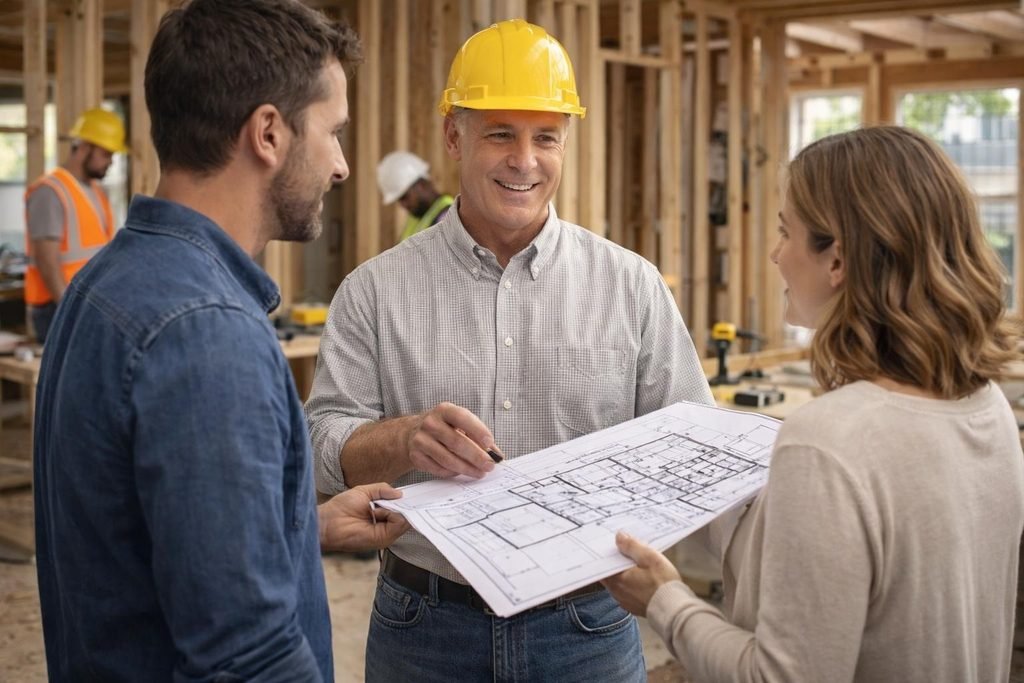
Construction planning involves several stages that build upon each other.
The exact process depends on the project, but understanding the main steps can help property owners prepare for important discussions.
Step 1: Define the Purpose of the Project
Every construction project should begin with a clear purpose.
Think about the result you want to achieve and the problem the proposed work is intended to address.
A homeowner may need additional living space, while a commercial property owner may want to improve the layout of an existing building.
These goals influence the planning process.
Write down the main priorities and consider which parts of the project are essential.
Clear goals make it easier to discuss the proposed work and establish realistic expectations.
Step 2: Review the Existing Property
The condition and location of a property can affect the construction work being proposed.
Before developing detailed plans, it is important to review the existing building or construction site.
For remodeling and home addition projects, this involves considering the structure already in place.
For new construction, the property itself becomes an important part of the planning discussion.
In Coastal North Carolina, applicable building requirements and location specific conditions may also need attention.
Reviewing these matters early can help identify concerns that deserve further consideration.
Step 3: Establish the Project Scope
The project scope describes the construction work intended to be completed.
It should provide a clear understanding of the main activities and expected result.
For example, a major remodeling project may involve changing several existing rooms, while a home addition involves creating new space connected to the original house.
These projects require different construction activities.
A clearly defined scope helps property owners understand the work being discussed.
It also creates a starting point for reviewing future changes.
Step 4: Discuss the Construction Budget
Budget planning is an important part of preparing for construction.
The financial requirements of a project depend on the proposed work, property conditions, design, and construction scope.
Property owners should discuss their available budget and understand the financial expectations associated with the project.
It is also important to consider that some conditions may not become fully apparent until construction activities begin.
Discussing the process for handling unexpected changes can reduce confusion later.
A realistic budget provides direction when decisions about the project need to be made.
Step 5: Review Building Plans and Requirements
Building plans should reflect the intended use of the property and the agreed construction scope.
Before moving forward, review the proposed layout and consider whether it supports the project’s goals.
For residential properties, think about the arrangement of living spaces and the way rooms connect.
For commercial remodeling, consider whether the proposed changes support the intended activities within the building.
Applicable construction requirements should also be considered during this stage.
Addressing important concerns before construction begins can prevent unnecessary uncertainty.
Step 6: Organize Construction Activities
Construction involves different activities that must be coordinated.
The order of these activities matters because some work depends on earlier stages being completed.
Construction planning services help establish a clearer understanding of the work sequence and project responsibilities.
Property owners should discuss the expected process and the way important developments will be communicated.
This preparation supports a more organized construction experience.
Step 7: Review the Plan Before Construction Starts
Before the main building work begins, review the agreed plans, project scope, and construction expectations.
This is an opportunity to address questions that remain unanswered.
Make sure important decisions are understood and documented.
If part of the proposed work is unclear, discuss it before construction moves forward.
A careful final review can reduce misunderstandings and establish a stronger starting point for the project.
A Realistic Example of Construction Planning
Imagine a commercial property owner in Coastal North Carolina preparing to remodel an existing building.
The owner wants to improve the interior layout but is uncertain about the amount of construction work required.
At first, the main focus is on the appearance of the finished space.
However, after reviewing the project goals, the owner realizes that the existing layout and building conditions need attention before design decisions are finalized.
The planning process begins with identifying the intended improvements.
Next, the proposed work is reviewed in relation to the existing property.
The owner then considers the construction budget, project scope, and activities required to complete the remodeling work.
Instead of beginning construction with several unanswered questions, the project moves forward with a clearer direction.
This hypothetical example shows the value of construction planning services.
The planning stage gives property owners time to understand the project before making major building commitments.
Errors That Often Create Construction Planning Problems
Even experienced property owners can face challenges when important planning decisions are rushed.
Many construction problems begin with unclear expectations rather than the physical building work itself.
Recognizing these issues early can help reduce frustration.
Starting Construction Without Clear Goals
A project can become difficult to manage when the intended result has not been clearly defined.
Property owners may request changes during construction because their original priorities were never fully discussed.
Before work begins, identify the main purpose of the project and the improvements that matter most.
Clear goals provide direction when decisions become more complicated.
Underestimating the Importance of Property Conditions
The existing property can influence the construction work required.
Ignoring building conditions during planning may create uncertainty later.
This is especially important for remodeling and home addition projects involving existing structures.
Reviewing the property before finalizing the construction scope can help identify matters that need attention.
Making Decisions Based Only on Appearance
An attractive design is important, but construction planning should also consider practical use.
A room may look appealing while failing to support the activities intended for that space.
Property owners should review layouts with daily use in mind.
The goal is to create a finished property that functions well, not just a design that looks good on paper.
Ignoring Communication During Planning
Unclear communication can lead to different expectations about construction responsibilities.
Property owners should understand the proposed work and the process for discussing changes.
Important decisions should be documented so everyone involved can refer to the agreed information.
Clear communication during planning can make later construction discussions easier to manage.
Practical Strategies for Better Construction Planning
Good construction planning involves more than preparing building plans and discussing the budget. It also requires careful attention to the decisions that can affect the project after construction begins.
Property owners often feel confident about their ideas but become uncertain when they need to make decisions about schedules, responsibilities, and possible changes.
Taking time to review these matters can create a clearer path forward.
Set Clear Priorities Before Making Major Decisions
Every construction project involves different needs and expectations.
Some property owners focus on creating additional space, while others want to improve the layout of an existing building.
Before making major decisions, identify the most important goals of your project.
Consider which improvements are necessary and which preferences could be adjusted if the construction scope changes.
This approach helps keep the planning process focused on the intended result.
Consider the Entire Property
A construction project should not be planned without considering the surrounding areas of the building.
For example, changing the layout of a room may affect access to nearby spaces.
Similarly, expanding a residential property may influence the way people move between existing and newly constructed areas.
Reviewing the entire property can help you understand the relationship between different parts of the project.
This is particularly important when planning major remodeling or home additions.
Keep Construction Expectations Realistic
It is natural to feel excited about the finished project, but construction involves several stages that require time and coordination.
Property conditions, project changes, and construction requirements may affect the original plan.
Discussing these possibilities before work begins can help establish realistic expectations.
A clear understanding of the proposed scope and construction process makes unexpected situations easier to address.
Document Important Project Decisions
Construction planning often involves discussions about layouts, budgets, responsibilities, and project changes.
Keeping a record of important decisions can reduce confusion.
Written information provides a reference when questions arise later in the project.
It also helps property owners review the agreed construction scope before approving significant adjustments.
Good communication and clear documentation support a more organized construction process.
Construction Planning Services and the Bigger Building Strategy
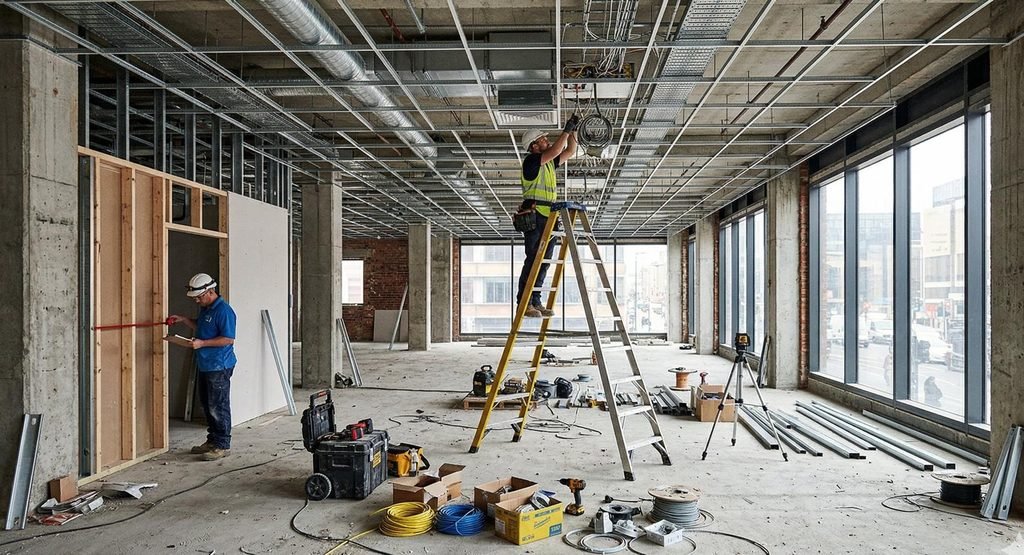
Construction planning is closely connected to the entire building process.
Whether the project involves residential new construction, custom home construction, major remodeling, or commercial improvements, early preparation influences later decisions.
A complete construction planning guide should consider the relationship between project goals, property conditions, building requirements, and construction responsibilities.
Understanding these connections helps property owners see construction as a coordinated process rather than a collection of separate activities.
Construction Planning and Project Coordination
Construction projects involve activities that need to take place in a suitable order.
Some stages depend on earlier work being completed before the next activity can begin.
Project coordination helps organize these responsibilities and supports communication between the people involved.
When construction activities are not properly coordinated, uncertainty about the work sequence can create difficulties.
Planning provides an opportunity to discuss these responsibilities before the project moves forward.
Construction Planning and Residential Building Projects
Residential construction planning focuses on preparing homes for new construction, remodeling, or expansion.
Homeowners should consider the intended living spaces, existing property conditions, and overall construction requirements.
For example, planning a custom home requires attention to the proposed layout and household needs.
Planning a home addition involves understanding the existing structure and the work required to connect new spaces.
Although these projects differ, both benefit from a clearly defined scope.
Construction Planning and Commercial Property Improvements
Commercial construction planning involves preparing building work around the needs of a commercial property.
For remodeling projects, the existing structure and intended improvements are important considerations.
Property owners should understand the proposed changes and the construction activities required to complete them.
Clear planning can also help establish expectations about the use of different spaces within the property.
This makes early project discussions especially valuable before significant remodeling begins.
When Professional Construction Planning Support Matters
Some construction projects involve decisions that are difficult for property owners to manage without professional guidance.
You may understand the result you want but remain uncertain about the building requirements, construction scope, or activities needed to complete the work.
This uncertainty can become frustrating, especially when the project involves significant financial commitments.
Professional construction planning services can provide greater clarity about the proposed work and the responsibilities involved.
When Planning a New Residential Property
Building a new home involves decisions about layout, property conditions, construction requirements, and project expectations.
A construction professional can discuss these matters during the early planning stage.
This gives homeowners an opportunity to review their priorities before major construction activities begin.
Clear communication at this stage can support better decisions throughout the project.
When Preparing for Major Remodeling
Major remodeling projects often involve existing buildings that need significant changes.
The condition of the property can affect the proposed construction work.
Professional planning support can help property owners discuss these considerations before finalizing the project scope.
This is particularly important when the intended improvements affect several areas of the building.
When Construction Responsibilities Are Unclear
Property owners may feel uncertain about who is responsible for coordinating construction activities and communicating project developments.
Understanding the role of a general contractor can provide useful context about the management of building projects.
A general contractor typically oversees construction work and coordinates different activities involved in completing a project.
Discussing these responsibilities before construction begins can reduce misunderstandings.
Construction Planning Services in Coastal North Carolina
Property owners preparing for residential or commercial construction in Coastal North Carolina can benefit from discussing their goals before committing to major building decisions.
Maxwell Construction LLC provides construction services involving residential new construction, custom homes, major remodeling, home additions, commercial remodeling, and preconstruction planning.
Understanding the proposed project scope and property conditions is an important starting point.
Early discussions can help establish clearer expectations about the construction process and the work being considered.
Conclusion
Construction planning services play an important role in preparing residential and commercial building projects.
A carefully considered plan helps property owners understand their goals, review construction requirements, and establish expectations before major work begins.
Whether you are preparing to build a new home, expand an existing property, or remodel a commercial space, early planning deserves attention.
Take time to review the property, define the project scope, discuss your budget, and understand construction responsibilities.
A clear plan may not eliminate every unexpected challenge, but it can provide a stronger starting point and make important decisions easier to manage.
For property owners in Coastal North Carolina, discussing construction goals with a qualified contractor can be a practical next step toward preparing for the project.
Frequently Asked Questions About Construction Planning Services
1. Are construction planning services necessary before building begins?
Construction planning is an important part of preparing a building project. It helps establish the proposed scope, review property considerations, and clarify construction expectations before major work starts.
2. Can construction planning reduce project problems?
Careful planning can reduce confusion and help identify concerns early. However, unexpected conditions may still arise during construction, so communication and flexibility remain important.
3. Is construction planning important for remodeling projects?
Yes. Remodeling involves working with an existing structure, making property conditions and proposed changes important planning considerations. Reviewing these matters early can support better decisions.
4. Can property owners participate in construction planning?
Yes. Property owners should communicate their goals, review proposed plans, discuss budget expectations, and raise concerns before construction begins.
5. When should construction planning begin?
Construction planning should begin before major building activities start. Early preparation provides time to review the proposed work, consider property conditions, and clarify responsibilities.