
Renovating a property can be exciting until you begin thinking about the money involved. You may want to improve your kitchen, update several rooms, or prepare a property for future use, but understanding the total cost can feel difficult. Whether you are planning a major home renovation or considering investor fix and flip construction services, home renovation budgeting is an important part of preparing for the work ahead.
Many homeowners begin with a clear picture of their finished property but feel uncertain about the financial decisions required to reach that result. Construction costs, possible changes, and unexpected property conditions can create stress before work even begins.
It is especially frustrating when you have saved money for a renovation but are unsure whether your budget will cover everything you want.
A carefully prepared budget can make these decisions easier to manage.
Instead of focusing only on the final appearance of the property, you can review the proposed work, understand the financial requirements, and establish priorities before making major commitments.
The goal is not to predict every expense perfectly. It is to create a realistic financial plan that supports better decisions throughout the renovation.
Understanding Home Renovation Budgeting
Home renovation budgeting is the process of planning and organizing the money needed to improve or change an existing residential property.
It involves reviewing the proposed renovation work, considering construction costs, and establishing a financial limit that reflects the property owner’s available resources.
A renovation budget should also account for the possibility that some conditions may not become clear until construction begins.
For example, a homeowner planning major remodeling may discover that the proposed changes require more work than originally expected.
Without a clear budget, these situations can create confusion and financial pressure.
A well prepared renovation budget provides a starting point for discussing project costs, priorities, and possible adjustments.
The Importance of Setting a Budget Before Renovation
Renovation projects involve several connected financial decisions.
The cost of changing a room may depend on the existing property, the amount of construction work required, and the intended improvements.
When homeowners begin without a defined budget, they may approve changes without understanding their effect on the overall project.
This can make it difficult to control spending.
Establishing a budget before construction begins helps property owners compare their renovation goals with their available funds.
It also creates an opportunity to discuss financial concerns before major work starts.
Renovation Budgeting and Financial Confidence
Money concerns can make an otherwise exciting renovation feel stressful.
Homeowners may worry about running out of funds or making decisions that create unexpected expenses.
A realistic budget can reduce some of this uncertainty.
It provides a clearer understanding of the planned spending and the financial limits associated with the project.
Although no budget can eliminate every unexpected situation, careful preparation can make renovation decisions more manageable.
Main Factors That Affect Home Renovation Costs

The cost of a renovation depends on the property and the construction work being proposed.
Projects that appear similar may involve different requirements because the existing buildings are not identical.
Understanding the main cost factors can help homeowners develop more realistic expectations.
Size and Scope of the Renovation
The amount of work involved is among the most important factors affecting renovation costs.
Updating a limited area of a property is different from changing several connected rooms.
Major remodeling may involve a broader construction scope and additional coordination.
Before establishing a budget, identify the areas that need attention and the improvements being considered.
A clearly defined scope helps create a more accurate understanding of the financial requirements.
Existing Property Conditions
The condition of the building can influence the work required during renovation.
Some properties may need additional attention before the planned improvements can be completed.
These conditions are not always fully visible during the early planning stage.
For this reason, homeowners should discuss the existing property and the possibility of unexpected work before construction begins.
Understanding these risks can support more careful financial planning.
Proposed Design and Layout Changes
The intended renovation design can affect the construction budget.
Changing the arrangement of existing rooms may require different work than improving a space without major layout changes.
Homeowners should consider whether each proposed adjustment supports an important need.
A design that looks attractive may not always be the most practical option for the available budget.
Reviewing the proposed layout early can help balance personal preferences with financial expectations.
Construction Requirements
Renovation projects may need to meet building requirements associated with the property and proposed work.
These requirements can influence the construction activities involved.
For homeowners in Coastal North Carolina, property location and applicable construction rules should be considered during planning.
Understanding these matters before renovation begins can help reduce uncertainty about the project scope.
The Home Renovation Budgeting Process
Creating a renovation budget involves more than estimating a single total amount.
A practical budget should reflect the intended work, available funds, and the possibility of changes during construction.
Following an organized process can help property owners prepare for important financial decisions.
Step 1: Identify the Renovation Goals
Begin by considering the main reasons for renovating the property.
Perhaps the existing layout feels uncomfortable, several rooms need improvement, or the property requires significant remodeling.
Write down the areas you want to change and the results you expect.
Then identify the improvements that matter most.
This gives the budgeting process a clear direction and helps prevent spending on changes that are less important.
Step 2: Review the Existing Property
Before making major financial commitments, consider the current condition of the property.
Renovation work takes place within an existing building, and its condition can affect construction requirements.
Discuss the proposed changes in relation to the original structure.
This can help identify concerns that may influence the budget.
A careful property review provides a stronger starting point for estimating the work involved.
Step 3: Define the Renovation Scope
The renovation scope describes the work intended to be completed.
It should identify the main areas being improved and the changes being proposed.
For example, remodeling several connected rooms involves different financial considerations than renovating a single area.
A clearly defined scope helps homeowners understand the work included in the project.
It also makes later budget discussions easier to follow.
Step 4: Establish the Available Budget
Review the amount of money available for the renovation.
The budget should reflect your financial situation rather than only the appearance of the finished property.
Avoid making major commitments before understanding the expected construction work.
Discuss the proposed scope and financial expectations with the contractor involved.
This can help establish whether the intended renovation aligns with the available funds.
Step 5: Separate Essential Work From Optional Improvements
Not every proposed renovation feature carries the same importance.
Some improvements may be necessary to meet the project’s main goals, while others may be personal preferences.
Separating these priorities can make financial decisions easier.
If the estimated costs exceed the available budget, reviewing optional improvements may provide a way to adjust the project scope.
The main goal should remain focused on the property’s intended use.
Step 6: Prepare for Possible Changes
Renovation projects can involve unexpected conditions.
Some concerns may only become visible after work begins.
Homeowners should discuss the process for reviewing additional work and approving changes.
Keeping part of the available budget uncommitted may provide flexibility, although the appropriate amount depends on the project and financial circumstances.
A clear process for handling changes can reduce confusion during construction.
Step 7: Review the Budget Before Construction Begins
Before renovation work starts, review the proposed scope and expected financial requirements.
Make sure you understand the work included and the process for discussing additional costs.
Ask for clarification when any part of the budget is unclear.
Important financial decisions should be documented so they can be reviewed later.
This final review can help establish clearer expectations before major construction activities begin.
A Realistic Home Renovation Budgeting Example
Imagine a property owner in Coastal North Carolina preparing to renovate an older residential property.
The owner wants to improve the kitchen, update the living area, and make the property more comfortable.
At first, most attention is focused on the appearance of the finished rooms.
However, after reviewing the project, the owner realizes that the renovation involves several connected construction activities.
The planning process begins with identifying the most important improvements.
The owner then reviews the existing property, discusses the proposed work, and establishes a budget based on available funds.
Some optional changes are postponed so the main renovation goals can receive greater attention.
The owner also discusses the possibility of unexpected conditions and the process for reviewing additional work.
This hypothetical example shows that home renovation budgeting is not simply about reducing expenses.
It is about understanding the project and making financial decisions that support its intended purpose.
Budgeting Errors That Can Create Renovation Problems
Renovation projects can become stressful when financial decisions are made without enough preparation.
Some homeowners focus on the appearance of the finished property without fully considering the construction work involved.
Others begin with a budget that does not reflect the proposed scope.
Recognizing these concerns early can help reduce unnecessary financial pressure.
Starting Without a Defined Financial Limit
A renovation can become difficult to manage when there is no clear spending limit.
Property owners may continue approving changes without understanding the effect on the total cost.
Before construction begins, establish the amount available for the project.
Review the proposed work against that amount and discuss concerns before making commitments.
A defined financial limit provides direction throughout the renovation.
Ignoring Possible Additional Work
Existing buildings can contain conditions that are not fully visible during early planning.
These conditions may affect the construction work required.
Assuming that every part of the renovation will proceed exactly as expected can create financial stress.
Discussing possible changes and keeping financial flexibility can support better preparation.
Changing the Renovation Scope Too Frequently
It is natural to develop new ideas after construction begins.
However, repeated changes can affect the original budget and construction expectations.
Before approving an adjustment, consider whether it supports an important project goal.
Review the financial effect of the proposed change and document the decision.
This can help keep renovation spending more organized.
Practical Tips for Managing Your Renovation Budget
A renovation budget should remain useful throughout the construction process, not just during the planning stage. As work progresses, property owners need to understand spending decisions and their effect on the original financial plan.
Even a carefully prepared budget may need adjustments when unexpected property conditions arise.
The important part is staying aware of these changes and making decisions based on the project’s main priorities.
Review Spending Before Approving Changes
Changes during renovation can affect the total project cost.
Before approving additional work, discuss the reason for the change and its expected financial effect.
Consider whether the adjustment is necessary or whether the original plan still meets your needs.
Keeping track of these decisions can help prevent unnecessary spending.
It also makes the remaining budget easier to understand.
Keep Essential Improvements First
During a renovation, it can be tempting to add improvements that were not included in the original plan.
However, optional changes may reduce the money available for more important work.
Review the main renovation goals before committing to additional expenses.
If the budget becomes limited, focus on the improvements that support the property’s intended use.
This approach can help maintain financial direction throughout construction.
Maintain Clear Financial Records
Keeping records of renovation spending can reduce confusion.
Property owners should retain important documents related to agreed costs, approved changes, and payments.
These records provide a reference when questions arise.
They also make it easier to compare actual spending with the original budget.
Good documentation supports clearer communication between property owners and the construction professionals involved.
Home Renovation Budgeting for Investment Properties
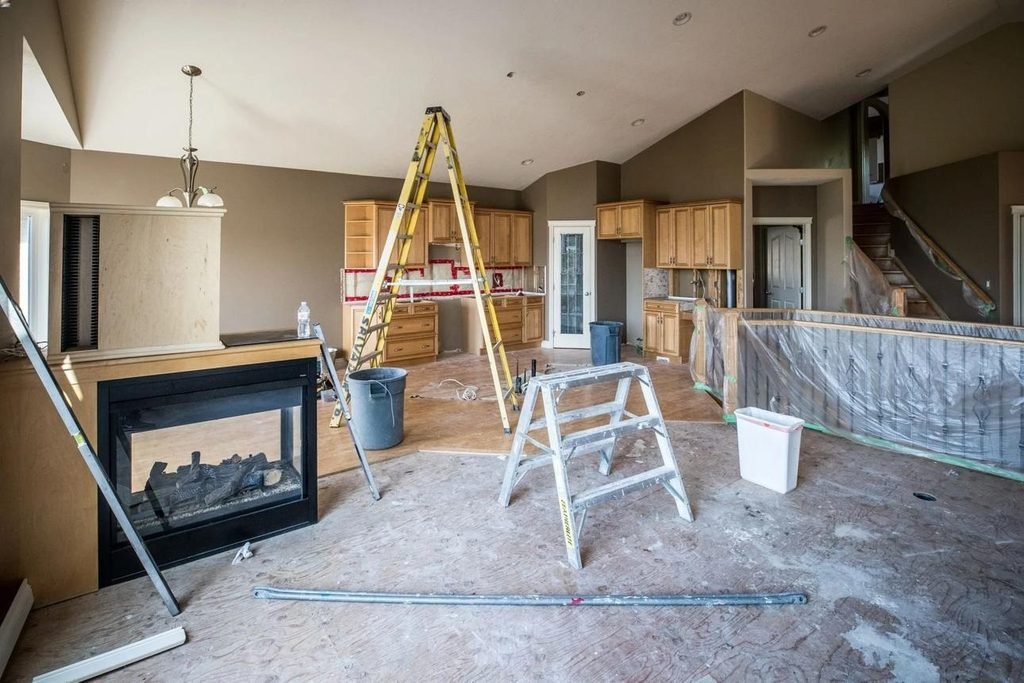
Renovation budgeting is also important for real estate investors preparing residential properties for future use or resale.
Unlike homeowners who may focus mainly on comfort and personal preferences, investors often need to consider the financial purpose of the renovation.
The proposed work should be reviewed in relation to the property’s condition and the available investment budget.
This requires careful attention to construction costs and the scope of improvements.
Establishing Clear Investment Renovation Goals
Before renovating an investment property, identify the purpose of the proposed improvements.
Consider which areas require attention and the construction work needed to prepare the property.
A clear project scope can help investors understand the financial commitment involved.
It also provides a basis for discussing renovation priorities.
Controlling Unnecessary Construction Changes
Frequent changes can make renovation costs more difficult to manage.
Investors should review proposed adjustments carefully and consider their effect on the original financial plan.
Some additional work may be necessary because of property conditions.
Other changes may be optional.
Understanding the difference can support more controlled renovation spending.
Home Renovation Budgeting and the Bigger Construction Strategy
Home renovation budgeting is closely connected to the overall remodeling process.
A financial plan cannot be developed separately from the proposed design, existing property conditions, and construction requirements.
For homeowners preparing for major improvements, a complete home renovation planning guide can provide broader context about the relationship between renovation costs, project preparation, and construction activities.
Understanding these connections can make financial decisions easier to manage.
Connecting the Budget With Construction Planning
Construction planning establishes the proposed work and the activities required to complete it.
The renovation budget should reflect those decisions.
When the project scope changes, the financial plan may also need to be reviewed.
Keeping planning and budgeting connected helps property owners understand the effect of important construction decisions.
Budgeting for Coastal North Carolina Properties
Property location can influence construction requirements.
Homeowners preparing renovations in Coastal North Carolina should consider applicable building requirements and existing property conditions.
For example, property owners considering improvements in Topsail Beach, NC should review the proposed work in relation to the property’s location and construction needs.
Discussing these matters before construction begins can support more realistic budget expectations.
When Professional Renovation Support Matters
Major renovation projects may involve financial and construction decisions that are difficult to manage without professional guidance.
Property owners may understand the improvements they want but remain uncertain about the work required to complete them.
This can be stressful when the renovation involves significant financial commitments.
A construction professional can discuss the proposed scope, property conditions, and expectations associated with the project.
Reviewing Renovation Costs With a Contractor
Before major work begins, discuss the intended renovation and the financial limits associated with it.
A contractor can review the proposed construction scope and explain the activities being considered.
This discussion can help property owners understand the relationship between their renovation goals and the work involved.
It also provides an opportunity to clarify the process for reviewing changes.
Understanding the Renovation Process
Renovation involves improving or changing an existing property.
The broader concept of building renovation includes work intended to update or improve existing structures.
Understanding this process can help property owners recognize the importance of planning before construction begins.
For major remodeling, the condition of the existing building remains an important consideration throughout the project.
Construction Support in Coastal North Carolina
Maxwell Construction Company provides major home remodeling, residential construction, home additions, and investor construction services throughout Coastal North Carolina.
Property owners can read more about Maxwell Construction Company when considering professional support for their renovation projects.
Early discussions about the proposed work can help establish clearer expectations before construction begins.
Conclusion
Home renovation budgeting is an important part of preparing for residential remodeling and investment property improvements.
A realistic budget helps property owners understand the proposed construction work, establish financial priorities, and prepare for possible changes.
Before beginning a renovation, review the existing property, define the project scope, and consider the funds available.
Keep important financial records and discuss additional work before approving changes.
For homeowners and investors in Coastal North Carolina, careful budgeting and construction planning can provide a stronger starting point for renovation projects.
The goal is to create improvements that support the property’s intended use while keeping financial decisions clear and manageable.
Frequently Asked Questions About Home Renovation Budgeting
1. When should a renovation budget be prepared?
A renovation budget should be prepared before major construction work begins. Early budgeting helps property owners understand financial limits and review the proposed scope.
2. Can renovation costs change during construction?
Yes. Unexpected property conditions or approved changes may affect the original budget. Discussing these possibilities before construction begins can reduce uncertainty.
3. Is budgeting important for investment property renovations?
Yes. Investors should understand the proposed construction costs and financial purpose of the renovation before committing to major work.
4. Can a contractor assist with renovation budgeting?
A contractor can discuss the proposed construction scope and expected work, providing information that supports financial planning.
5. Should homeowners keep money available for unexpected renovation work?
Keeping some financial flexibility may be useful because unexpected conditions can arise. The appropriate amount depends on the project and the property owner’s circumstances