
Buying a property, renovating it, and preparing it for resale can be an exciting investment opportunity. However, turning an older or damaged building into an attractive property involves much more than improving its appearance. Construction planning, renovation costs, project schedules, and property conditions all require careful attention. For investors considering residential improvements or commercial remodeling services, understanding the role of a fix and flip contractor is an important part of preparing for a successful construction project.
Many real estate investors begin with a clear financial goal. They want to improve a property, manage construction expenses, and prepare it for the next buyer. But once renovation planning begins, unexpected questions can create uncertainty.
Will the proposed renovation fit the available budget? Can the required construction work be completed within the expected schedule? Could hidden property conditions affect the original plan?
These concerns are especially important when an investor has already committed money to purchasing the property.
A fix and flip contractor can play an important role in organizing renovation activities, reviewing construction requirements, and coordinating the work involved in improving an investment property.
Understanding this role can help investors approach renovation projects with clearer expectations and greater financial awareness.
Understanding the Role of a Fix and Flip Contractor
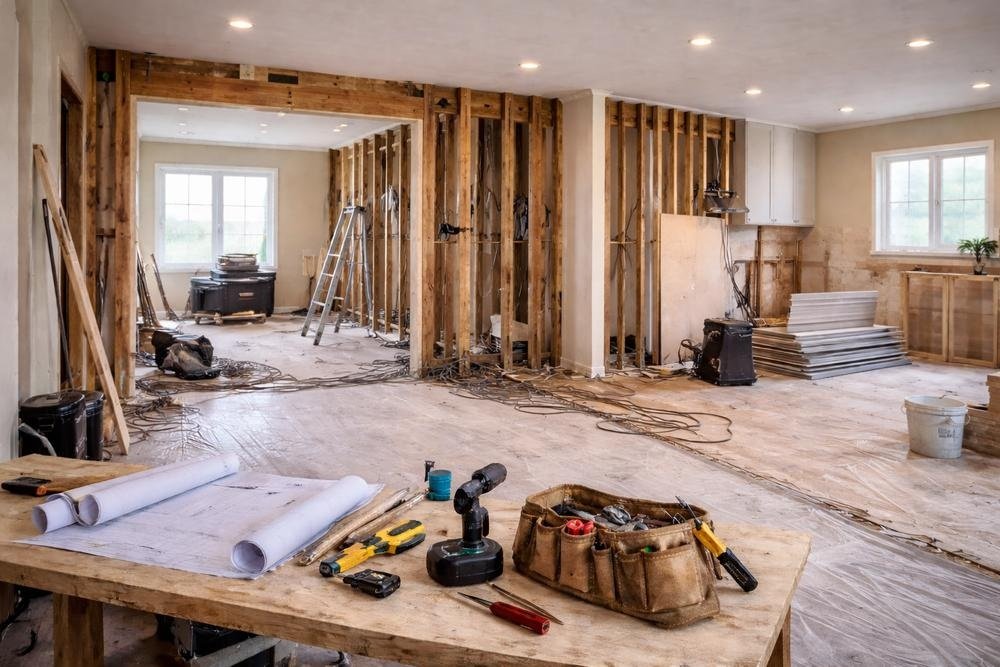
A fix and flip contractor is a construction professional who works on properties being renovated for resale.
The contractor’s responsibilities may include reviewing the proposed improvements, discussing the construction scope, organizing renovation activities, and managing the work required to complete the project.
The exact responsibilities depend on the agreed construction services and the condition of the property.
For example, an investment property may require major remodeling before it is ready for its intended use.
Another property may need more limited improvements.
A contractor helps connect the investor’s renovation goals with the construction activities required to complete the proposed work.
The Importance of Contractor Involvement
Fix and flip projects often involve financial decisions that affect the overall investment.
Construction costs, renovation changes, and project delays can influence the amount of money committed to the property.
Without a clear construction plan, investors may struggle to understand the work involved.
A contractor can discuss the proposed renovation scope and identify construction activities that require attention.
This supports better communication and helps establish realistic expectations before major work begins.
Contractor Responsibilities During Property Renovation
A fix and flip contractor may be responsible for coordinating different parts of the renovation process.
These responsibilities can include reviewing construction plans, organizing building activities, and communicating about project progress.
The contractor may also discuss proposed changes when unexpected property conditions arise.
Clear responsibilities are important because investors need to understand the work included in the construction agreement.
Before beginning a renovation, both parties should have a shared understanding of the proposed scope and expectations.
Main Construction Services Involved in Fix and Flip Projects
Investment property renovations can involve different levels of construction work.
Some properties require significant changes to their existing layout, while others need improvements to particular areas.
The construction scope should reflect the condition of the property and the investor’s intended result.
Major Residential Remodeling
Major remodeling involves substantial changes to an existing residential building.
An investor may want to improve the arrangement of rooms, update important living areas, or address conditions that affect the property’s intended use.
These improvements should be reviewed alongside the existing structure.
A fix and flip contractor can discuss the proposed work and the construction activities involved.
Careful planning is important because changes to an existing building may affect several connected areas.
Interior Property Improvements
Interior renovation work can influence the appearance and function of an investment property.
Living rooms, kitchens, bathrooms, and other spaces may require attention depending on the building’s condition.
Investors should focus on improvements that support the intended purpose of the renovation.
Not every room requires the same level of work.
Reviewing the property before construction begins can help establish more practical renovation priorities.
Structural Construction Considerations
Some investment properties may require construction work involving important parts of the building.
The existing structure should be considered before major remodeling decisions are approved.
Changes affecting structural components may require additional professional review.
Investors should avoid assuming that every proposed layout adjustment can be completed without affecting other areas.
Discussing these concerns during planning can reduce uncertainty later in the project.
Commercial Property Remodeling
Fix and flip investment strategies may also involve properties intended for commercial use.
Commercial remodeling requires attention to the existing building and the improvements needed for its intended activities.
The construction requirements may differ from those of residential properties.
Investors should discuss the proposed scope and applicable building requirements before beginning major work.
A clear construction plan helps establish expectations about the renovation process.
The Fix and Flip Construction Process
Renovating an investment property involves several connected stages.
Each stage influences the work that follows, making early preparation important.
Understanding the process can help investors communicate more effectively with construction professionals.
Step 1: Review the Property Before Renovation
The first stage involves understanding the existing property’s condition.
Investors should consider the areas that need improvement and any visible concerns that may affect construction.
The proposed renovation should reflect the actual building rather than only the investor’s preferred appearance.
Some property conditions may require further professional evaluation.
Reviewing these matters early can support more realistic construction planning.
Step 2: Establish Clear Investment Goals
Before developing a renovation plan, identify the intended result.
The investor may want to improve the property’s appearance, update its layout, or complete major remodeling.
These goals should be discussed in relation to the available construction budget.
A clear understanding of the project’s purpose can prevent unnecessary changes.
It also gives the contractor a better understanding of the investor’s expectations.
Step 3: Define the Construction Scope
The construction scope describes the renovation activities intended to be completed.
It should identify the main improvements and establish clear expectations about the work involved.
For example, remodeling several connected rooms requires different planning than updating a limited area.
A defined scope helps investors understand the construction responsibilities associated with the project.
It also provides a reference when discussing additional work.
Step 4: Review the Renovation Budget
Construction costs are an important part of investment property planning.
Investors should discuss the proposed renovation scope and financial expectations before major work begins.
The budget should reflect the intended improvements and the possibility of unexpected property conditions.
Not every additional expense can be predicted.
However, reviewing the budget early can reduce confusion when financial decisions arise during construction.
Step 5: Establish Construction Expectations
Investors often have a preferred schedule for completing renovation work.
However, construction activities depend on the proposed scope, property conditions, and other project requirements.
The contractor and investor should discuss the expected work sequence before construction begins.
Clear communication can help both parties understand the project’s progress.
It also provides an opportunity to discuss concerns that may affect the original expectations.
Step 6: Begin the Renovation Work
Once the proposed scope and construction expectations have been established, renovation activities can begin.
The work should follow the agreed plan and applicable construction requirements.
Communication remains important throughout this stage.
If unexpected conditions arise, the investor should understand the proposed changes before approving additional work.
This supports more organized decision making during the renovation.
Step 7: Review the Completed Construction Work
After the renovation activities are completed, the finished work should be reviewed against the agreed scope.
Investors should understand whether the planned improvements have been completed and whether any outstanding concerns remain.
This review provides an opportunity to discuss questions about the finished project.
Clear documentation can also be useful for future property decisions.
A Realistic Fix and Flip Renovation Example
Imagine a real estate investor purchasing an older residential property in Coastal North Carolina.
The property has an outdated interior and several areas that need improvement.
The investor wants to renovate the building before offering it for resale.
At first, the main concern is improving the property’s appearance.
However, after reviewing the building, the investor realizes that the renovation involves several connected construction activities.
A fix and flip contractor discusses the proposed improvements and helps establish a clearer construction scope.
The investor reviews the available budget and identifies the areas that require the most attention.
Some optional improvements are postponed to keep the project focused on its main goals.
During renovation, the investor maintains communication about construction progress and proposed changes.
This hypothetical example shows that investment property renovation requires more than attractive design decisions.
A clear construction plan, realistic budget, and organized communication are important parts of the process.
Renovation Errors That Can Affect Fix and Flip Projects
A property investment can become stressful when construction decisions are made without enough preparation. Even a promising renovation may face difficulties if the budget, project scope, or building condition has not received proper attention.
For real estate investors, these problems can affect both the construction process and the financial outcome.
Understanding the risks before renovation begins can support better decisions.
Underestimating Renovation Costs
Some investors focus on the purchase price of a property without fully considering the money required for renovation.
Construction expenses can increase when the building requires more work than originally expected.
A realistic budget should reflect the proposed improvements and possible additional construction needs.
Investors should also consider the financial effect of delays and changes.
Careful budgeting cannot guarantee a profitable investment, but it can reduce unnecessary financial uncertainty.
Beginning Construction Without a Clear Scope
An unclear construction scope can create disagreements about the work included in a renovation.
Investors may expect certain improvements while the contractor understands the project differently.
These misunderstandings can lead to delays and unexpected expenses.
Before work begins, review the proposed activities and establish clear responsibilities.
Written agreements and documented changes can support better communication.
Focusing Only on Appearance
An attractive interior may improve a property’s presentation, but appearance should not be the only consideration.
The condition of the existing building can influence the construction work required.
Investors should review important property concerns before spending heavily on visual improvements.
A renovation should support the intended use of the building rather than focus entirely on decorative changes.
Ignoring the Effect of Project Delays
Construction schedules can influence investment decisions.
When renovation activities take longer than expected, investors may face additional financial pressure.
The proposed timeline should reflect the work involved and the condition of the property.
Unexpected circumstances may still affect progress.
Regular communication with the contractor can help investors understand schedule changes and their possible effects.
Practical Tips for Working With a Fix and Flip Contractor
A productive relationship between an investor and a contractor begins with clear expectations.
Both parties should understand the intended renovation, financial limits, and construction responsibilities.
Taking time to discuss these matters can reduce confusion once work begins.
Review Relevant Construction Experience
Before working with a contractor, discuss the type of construction services required for the property.
An investment renovation involving major remodeling may require different experience than a limited interior improvement project.
Investors should consider whether the contractor’s services align with the proposed scope.
Reviewing examples of relevant construction work can provide additional context.
For instance, property owners can review construction projects and past work when evaluating the types of projects completed by Maxwell Construction Company.
Keep Communication Clear Throughout Renovation
Construction projects involve decisions that may affect costs, schedules, and the finished property.
Investors should establish expectations about communication before renovation begins.
Important discussions should include project progress, proposed changes, and concerns that require attention.
Keeping written records of major decisions can reduce misunderstandings.
Clear communication also makes it easier to respond when unexpected conditions arise.
Review Changes Before Approving Additional Work
During renovation, a contractor may identify work that was not included in the original scope.
Before approving additional activities, investors should understand the reason for the change.
The financial and scheduling effects should also be discussed.
Some adjustments may be necessary, while others may be optional.
Reviewing these decisions carefully can support better control over the project.
Fix and Flip Construction and the Bigger Investment Strategy
Hiring a fix and flip contractor is only part of preparing an investment property for resale.
The construction plan should also connect with the investor’s financial goals, property condition, and intended renovation outcome.
A complete fix and flip investment planning guide can provide broader context about these decisions, including the relationship between property evaluation, renovation spending, and construction management.
Understanding the larger investment strategy can help investors make more informed decisions before committing to major improvements.
Connecting Construction Costs With Investment Goals
Renovation expenses influence the total amount invested in a property.
Investors should review construction costs alongside the property’s purchase expenses and other financial commitments.
The proposed improvements should have a clear purpose.
Spending more money on renovation does not automatically mean the property will produce a greater return.
A realistic financial plan should account for uncertainty rather than assume a guaranteed resale result.
Understanding the Value of Renovation Planning
A successful construction process requires careful preparation.
The broader concept of property renovation involves improving or changing an existing building.
For investment properties, these improvements should be considered in relation to the property’s condition and intended future use.
Planning helps establish the construction scope, financial expectations, and responsibilities before work begins.
This can reduce confusion during renovation and support more organized project management.
When Professional Construction Support Matters
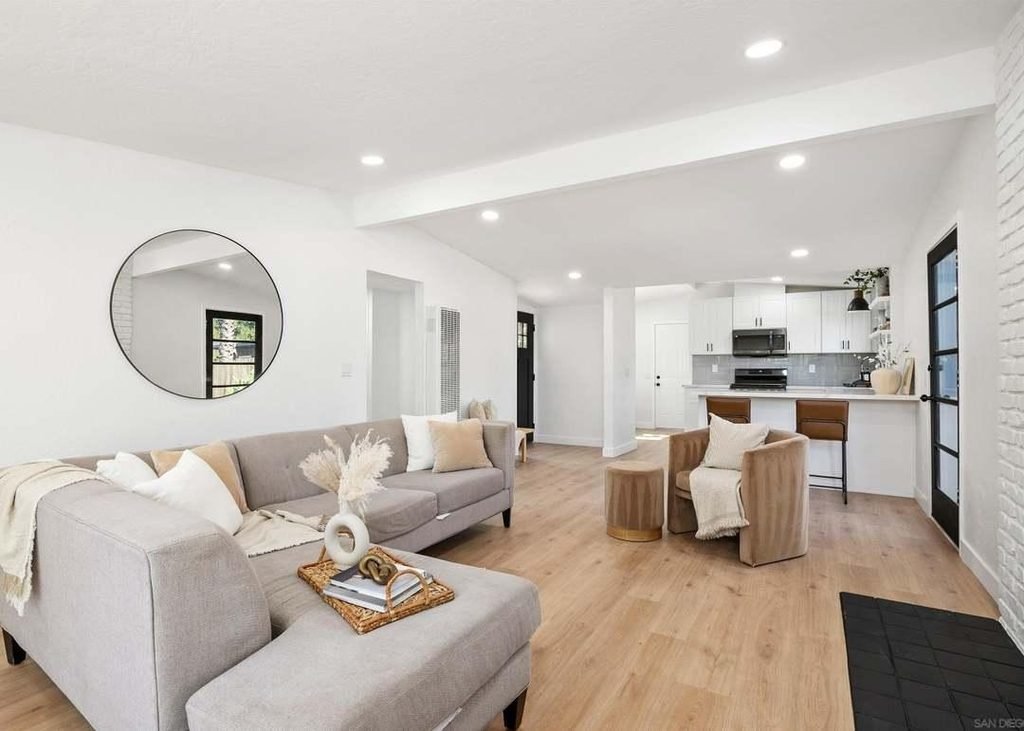
Some investment properties require extensive remodeling that can be difficult to coordinate without professional construction experience.
Investors may understand their financial goals but remain uncertain about the building work required to prepare the property.
These concerns are especially important when a project involves major changes to an existing structure.
Professional construction support can provide greater clarity about the proposed renovation activities.
Major Remodeling and Construction Coordination
Major remodeling often involves several connected construction activities.
Changes to an existing building may affect nearby spaces or important structural components.
A contractor can discuss the proposed work and coordinate the construction responsibilities included in the agreement.
This helps establish clearer expectations throughout the project.
Construction Services for Coastal North Carolina Investors
Maxwell Construction Company provides investor and fix and flip construction, major home remodeling, commercial remodeling, and other construction services throughout Coastal North Carolina.
Real estate investors preparing renovation projects can discuss their property goals, proposed improvements, and construction planning needs with the company.
Early discussions can help establish a clearer understanding of the intended work before major construction activities begin.
Conclusion
Working with a fix and flip contractor can be an important part of preparing an investment property for renovation and resale.
The contractor’s role may involve reviewing the proposed improvements, coordinating construction activities, and managing the work included in the agreed project scope.
For investors, careful planning is essential because renovation decisions can affect construction expenses, project schedules, and the overall financial commitment.
Before beginning a project, review the property’s condition, establish clear renovation goals, and discuss the proposed work with qualified construction professionals.
Keep financial expectations realistic and maintain communication throughout the renovation.
For real estate investors in Coastal North Carolina, a clear construction plan can provide a stronger foundation for managing property improvements and making informed investment decisions.
Frequently Asked Questions About Fix and Flip Contractors
1. Is a fix and flip contractor necessary for every investment property?
Not every investment property requires the same level of construction support. Major remodeling projects may benefit from professional coordination because they involve several connected activities.
2. Can a fix and flip contractor assist with renovation planning?
Yes. A contractor can discuss the proposed construction scope, review renovation requirements, and establish expectations about the work involved.
3. Can renovation costs change during a fix and flip project?
Yes. Unexpected property conditions or approved changes may affect construction costs. A realistic budget should account for possible financial adjustments.
4. Should investors review previous construction projects?
Yes. Reviewing relevant construction work can provide insight into the types of projects a contractor has completed.
5. Can a contractor guarantee a profitable property flip?
No. Investment results depend on several factors beyond construction, including property costs, renovation expenses, and resale conditions. A contractor cannot guarantee investment profits.