
Living near the coast offers beautiful surroundings, but it also brings concerns about severe weather. Strong winds, heavy rain, and hurricanes can place significant pressure on residential buildings. For homeowners considering residential new construction services, understanding hurricane resistant homes is an important part of preparing for construction in Coastal North Carolina.
A home is more than a building. It is the place where your family spends time together, keeps personal belongings, and creates memories. The possibility of serious storm damage can make homeowners feel uncertain about building or improving a coastal property.
These concerns deserve attention before construction begins.
Hurricane resistant homes are designed and built with features intended to reduce damage from severe weather. Their construction requires careful consideration of the building structure, property conditions, and applicable construction requirements.
However, no residential building can be guaranteed to remain completely safe during every hurricane.
The purpose of hurricane resistant construction is to improve a home’s ability to withstand certain storm conditions while reducing potential damage.
Understanding the main construction considerations can help homeowners make more informed decisions before starting a residential building project.
Understanding Hurricane Resistant Homes
Hurricane resistant homes are residential buildings designed to better withstand the effects of strong winds, heavy rainfall, and other conditions associated with hurricanes.
Their construction focuses on the way different parts of the building respond to severe weather.
The roof, walls, windows, doors, and structural connections all play important roles in the overall performance of the property.
A building may appear strong from the outside, but its ability to resist storm damage also depends on construction details that are not always visible.
This is why hurricane resistant construction should be considered during the early planning stage rather than treated as an additional feature after the house is completed.
The Importance of Hurricane Resistant Construction
Hurricanes can affect residential properties in several ways.
Strong winds may place pressure on the roof and exterior walls, while heavy rain can create conditions that allow water to enter the building.
In some coastal locations, flooding and storm surge may also present serious risks.
These hazards can affect different parts of the house at the same time.
Hurricane resistant construction considers these conditions during the design and building process.
The goal is to reduce vulnerabilities and improve the performance of the property under the storm conditions it is designed to resist.
The Difference Between Hurricane Resistant and Hurricane Proof Homes
The terms hurricane resistant and hurricane proof are sometimes used as though they mean the same thing.
However, there is an important difference.
A hurricane resistant home is designed to withstand certain storm conditions based on its construction requirements and intended performance.
A hurricane proof home would suggest that the building cannot be damaged by a hurricane.
No construction approach can guarantee complete protection against every possible storm.
Homeowners should focus on appropriate building design, construction quality, and realistic expectations rather than promises of complete protection.
Main Features of Hurricane Resistant Homes
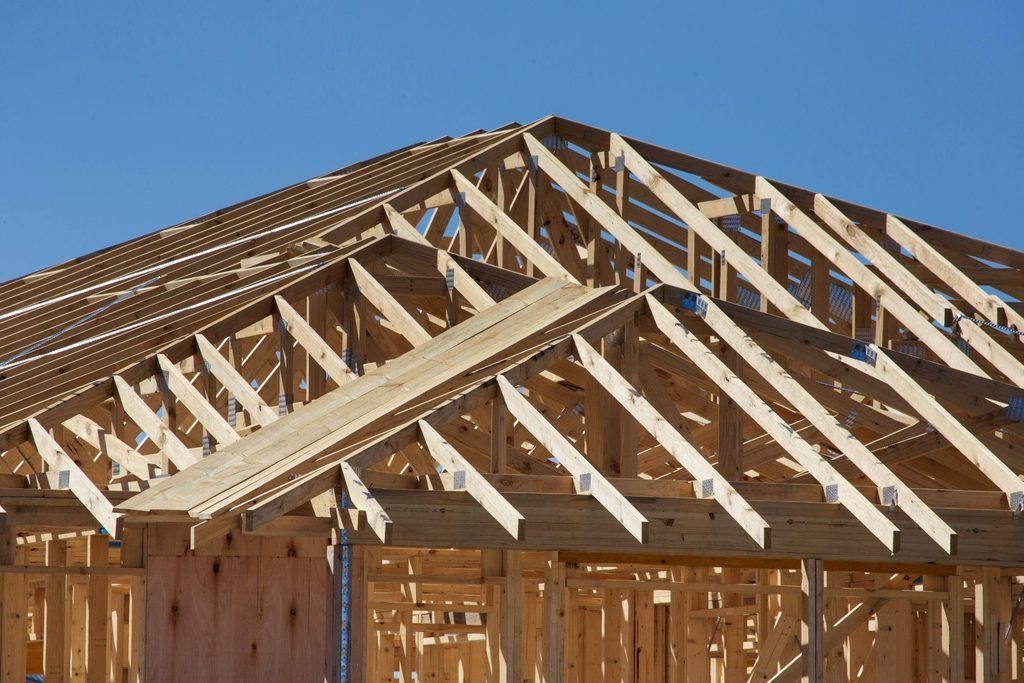
A hurricane resistant home depends on several building components working together.
Strengthening an individual feature may provide benefits, but the overall structure must also be considered.
During residential construction planning, homeowners should discuss the building elements that may be exposed to severe weather.
Strong Roof Construction
The roof is an important part of a home’s protection against severe weather.
During a hurricane, strong winds can create forces that place pressure on the roof structure.
If the roof or its connections fail, other parts of the building may become exposed to rain and wind.
For this reason, roof design and structural connections deserve careful attention during construction planning.
The appropriate construction approach depends on the proposed building and applicable requirements.
A properly designed roof system should work together with the supporting structure.
Secure Connections Between Building Components
The strength of a house depends partly on the way its structural components are connected.
The roof, walls, and foundation need to function together as part of the overall building.
Strong winds can place pressure on these connections.
If important connections are weak, damage to an individual section may affect other areas.
Hurricane resistant construction considers the relationship between these components.
This helps support a more connected structural system rather than relying on individual building elements alone.
Windows and Exterior Doors
Windows and exterior doors are exposed to wind and rain during severe storms.
Their performance can affect the amount of weather related damage a property experiences.
Homeowners should discuss appropriate window and door requirements during the planning stage.
The intended products and installation methods should be suitable for the building and applicable construction standards.
It is important to remember that appearance alone cannot establish whether a window or door is appropriate for hurricane conditions.
Exterior Wall Construction
Exterior walls help support the building and separate indoor spaces from outdoor weather conditions.
During a hurricane, these walls may experience significant wind pressure.
Their construction must be considered alongside the roof, foundation, and other structural components.
A wall system that works well under normal conditions may still require specific design considerations for severe weather.
Reviewing these requirements during planning can help homeowners understand the importance of the entire building structure.
Foundation and Property Conditions
The foundation supports the building and transfers structural forces to the ground.
For coastal properties, the building site and potential flood conditions may influence foundation requirements.
Not every property has the same exposure to storm related hazards.
A location near the coast may require different planning considerations than a property farther inland.
Homeowners should review the conditions associated with their specific property before finalizing construction plans.
Hurricane Resistant Homes in Coastal North Carolina
Coastal North Carolina includes communities where severe weather is an important construction consideration.
Homeowners preparing to build in these areas should understand that property location can influence building requirements.
The same residential design may not be appropriate for every site.
This makes early planning especially important for coastal construction projects.
Building Considerations for Wrightsville Beach
Property owners considering residential construction in Wrightsville Beach, NC should pay attention to the location of the proposed building and the construction requirements that apply.
Coastal properties may face exposure to strong winds, heavy rain, and flooding.
These conditions should be considered before major building decisions are finalized.
Reviewing the property and discussing the proposed construction approach can help establish more realistic expectations.
The goal is to prepare a home that responds appropriately to the conditions associated with its location.
Coastal Building Requirements
Residential construction must meet the building requirements applicable to the property.
For coastal homes, these requirements may address structural design, wind resistance, and flood related conditions.
The exact requirements depend on the building location and the proposed work.
Homeowners should avoid assuming that construction methods suitable for another property will automatically be appropriate for their own.
Discussing these matters during planning can help prevent uncertainty later in the project.
Planning for Severe Weather From the Beginning
Hurricane resistance should be considered before the main construction activities begin.
The building layout, structural design, and property conditions may all influence the proposed construction approach.
Waiting until construction is underway can make important changes more difficult.
Early planning provides time to review the building requirements and discuss the intended design.
This supports a more organized approach to coastal residential construction.
Steps for Planning Hurricane Resistant Homes
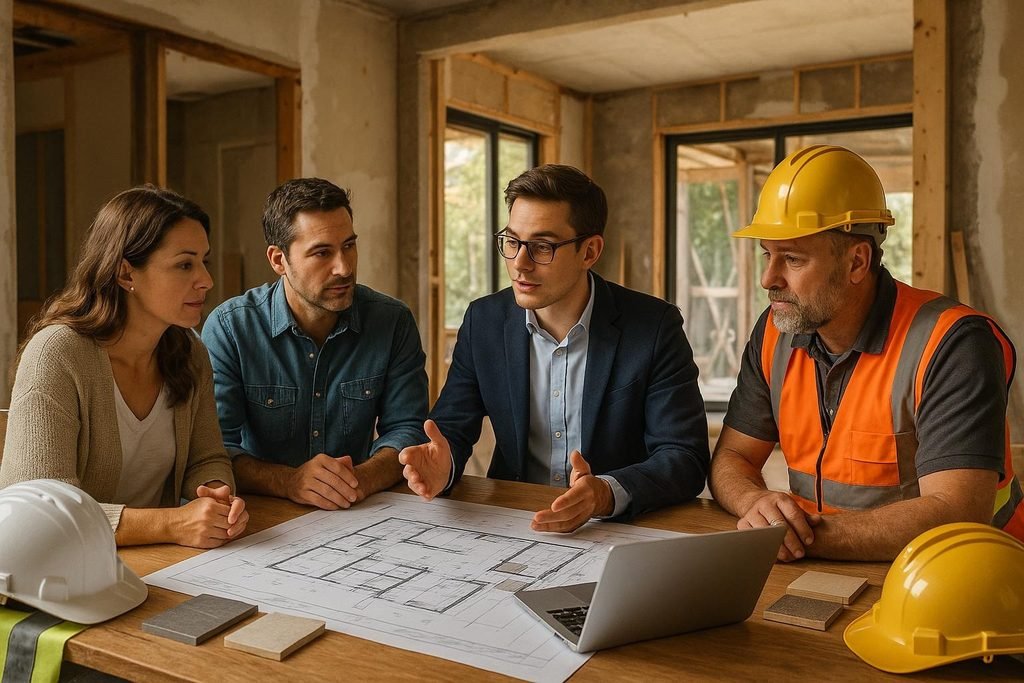
Building a home with hurricane resistance in mind involves several connected decisions.
The planning process should consider the property’s location, proposed design, structural requirements, and construction responsibilities.
Understanding these steps can help homeowners prepare for important discussions before construction begins.
Step 1: Review the Building Location
Begin by considering the location of the proposed home.
Coastal properties may experience different storm conditions depending on their surroundings and exposure.
The building site should be reviewed in relation to applicable construction requirements.
Potential wind and flood hazards deserve attention during this stage.
Understanding the location provides an important starting point for residential construction planning.
Step 2: Discuss the Proposed Home Design
The building design should reflect the homeowner’s needs while accounting for the conditions associated with the property.
Room arrangements, exterior features, and the overall structure are connected parts of the construction process.
Homeowners should review the proposed design with qualified construction professionals.
This provides an opportunity to discuss whether adjustments are needed before major work begins.
Step 3: Review Structural Construction Requirements
Hurricane resistant homes depend on structural components working together.
The roof, walls, foundation, and connections between these elements should be considered during planning.
The appropriate design must reflect applicable building requirements.
Property owners should discuss these considerations before construction begins.
This helps establish a clearer understanding of the proposed structural work.
Step 4: Consider Windows and Exterior Openings
Windows, exterior doors, and other openings are important parts of the building.
Their design and installation should reflect the conditions the home may experience.
Homeowners should discuss the requirements associated with these features.
The goal is to support the performance of the complete building rather than focus only on appearance.
Step 5: Review the Construction Plan
Before major building activities begin, review the proposed construction scope and responsibilities.
Make sure important questions about the design and building requirements have been addressed.
The construction plan should reflect the property’s location and the intended building work.
Clear communication can reduce misunderstandings during construction.
A careful review provides a stronger starting point for the project.
A Realistic Example of Hurricane Resistant Home Planning
Imagine a family preparing to build a new home in Coastal North Carolina.
They want a comfortable property with enough space for daily living, but they are also concerned about hurricanes.
At first, most of their attention is focused on the room layout and exterior appearance.
During construction planning, they begin considering the property’s location and the building requirements associated with coastal weather.
They discuss the proposed roof structure, exterior openings, and foundation requirements with qualified professionals.
The family also reviews the overall construction plan before major building activities begin.
Rather than treating storm resistance as a separate concern, they include it in the early design discussions.
This hypothetical example shows the importance of considering severe weather during residential construction planning.
A home should be planned around both the household’s needs and the conditions associated with the building site.
Building Errors That Can Increase Hurricane Damage
Even a carefully designed home can face problems when important construction details receive too little attention. For coastal homeowners, these concerns are particularly serious because severe storms can place pressure on several parts of a building at once.
Understanding potential construction errors can support better decisions before work begins.
Overlooking the Entire Building Structure
Some homeowners focus on individual features, such as strong windows or a durable roof, without considering the rest of the building.
However, hurricane resistant homes depend on several structural components working together.
The roof, walls, and foundation must form a connected system capable of handling the forces considered in the building design.
Improving an individual feature cannot compensate for every weakness elsewhere in the structure.
A complete structural review is important during construction planning.
Ignoring Property Location and Flood Exposure
Coastal properties can face different storm risks depending on their location.
A building site exposed to flooding may require planning considerations that differ from those of another property.
Ignoring these conditions can lead to construction plans that fail to address important hazards.
Homeowners should review applicable flood and building requirements before approving the proposed design.
This is especially important when preparing for new residential construction near coastal areas.
Treating Exterior Openings as Minor Details
Windows and exterior doors may appear to be smaller parts of the overall building project.
However, their performance during severe weather can affect the protection of interior spaces.
Products and installation methods should be appropriate for the building’s requirements.
Homeowners should discuss these features during planning rather than leaving important decisions until construction is underway.
Making Major Changes Without Reviewing Structural Effects
A proposed design change may affect more than the appearance of a home.
Changes to the roof, exterior walls, or building layout can influence structural requirements.
Property owners should discuss significant adjustments with the professionals responsible for the building design.
Reviewing these changes before approval can reduce the risk of creating new construction concerns.
Practical Recommendations for Stronger Coastal Home Planning
Preparing hurricane resistant homes requires attention to both construction details and long term property needs.
A strong building plan should consider the intended use of the house, its location, and the severe weather conditions it may experience.
Several practical steps can make these discussions more productive.
Prioritize Structural Performance
A home’s appearance matters, but structural performance should remain a major consideration.
Before approving the proposed design, discuss the roof, walls, foundation, and connections between these components.
Ask whether the design addresses the applicable wind and flood requirements for the property.
These conversations can help establish realistic expectations about the building’s intended performance.
Consider Future Property Maintenance
Construction planning should also consider the condition of the home after it is completed.
Over time, building components can experience wear or damage.
Regular attention to the roof, exterior openings, and other exposed areas can help property owners recognize conditions that may require professional inspection or repair.
A well constructed home still requires ongoing care.
Keep Construction Plans and Important Records
Property owners should retain important documents related to the approved building design and construction work.
These records may be useful when discussing future maintenance, repairs, or renovations.
They can also provide information about the original construction approach.
Keeping documents organized supports a clearer understanding of the property over time.
Hurricane Resistant Homes and the Bigger Coastal Construction Strategy
Hurricane resistant construction is an important part of planning a residential property in Coastal North Carolina.
However, storm resistance should not be considered separately from the rest of the building project.
The property’s location, structural design, construction requirements, and intended use all influence the overall plan.
A complete coastal home construction guide can provide broader context about these connected decisions, including the relationship between property planning and residential building requirements.
Understanding the larger construction process helps homeowners consider storm resistance alongside their everyday living needs.
Connecting Home Design With Coastal Conditions
A home should support comfortable daily living while responding to the conditions associated with its location.
In coastal communities, this may involve considering wind exposure, rainfall, and potential flooding.
These concerns should be addressed during the building design process.
The appropriate construction approach depends on the property and applicable requirements.
A coordinated plan can help balance residential comfort with structural performance.
Planning for Future Renovations
Storm resistance can also be relevant when improving an existing residential property.
A major home renovation may involve changes to structural components, exterior openings, or other parts of the building.
Property owners should consider whether proposed improvements affect the home’s ability to resist severe weather.
Changes involving important structural elements should be reviewed by qualified professionals.
This helps connect renovation planning with the property’s existing construction requirements.
When Professional Coastal Construction Support Matters
Planning a home in a coastal area can involve decisions that are difficult for homeowners to evaluate alone.
You may understand the type of house you want but feel uncertain about wind requirements, property conditions, or structural design.
These concerns are reasonable, especially when the project represents a major financial commitment.
Qualified construction and design professionals can review the proposed work and discuss requirements associated with the property.
Preparing for New Residential Construction
New construction provides an opportunity to consider hurricane resistance during the earliest stages of the project.
Homeowners can discuss the building site, proposed design, and structural requirements before major work begins.
This allows important construction decisions to be considered together.
It also helps establish clearer expectations about the intended building performance.
Understanding Construction Responsibilities
Residential construction involves several connected activities.
Property owners should understand the responsibilities associated with the building design, construction work, and applicable requirements.
Clear communication between the professionals involved is important.
Discussing these responsibilities before construction begins can reduce uncertainty during the project.
Residential Construction in Coastal North Carolina
Maxwell Construction Company provides residential new construction, custom home construction, coastal construction, and other building services throughout Coastal North Carolina.
Homeowners considering a coastal building project can discuss their goals, property conditions, and construction planning needs with the company.
These early conversations can provide a clearer understanding of the proposed work before construction begins.
Conclusion
Hurricane resistant homes are designed to improve a building’s ability to withstand certain severe weather conditions.
Their performance depends on more than individual construction features. The roof, walls, foundation, exterior openings, and structural connections must be considered as parts of the complete building.
For homeowners in Coastal North Carolina, property location and applicable construction requirements are important planning considerations.
Careful preparation can support better building decisions, but no home can be guaranteed to withstand every hurricane without damage.
Before beginning residential construction, review the property conditions, discuss structural requirements, and work with qualified professionals.
Taking these steps can provide a more informed starting point for building a home in a coastal environment.
Frequently Asked Questions About Hurricane Resistant Homes
1. Are hurricane resistant homes completely safe during hurricanes?
No. Hurricane resistant homes are designed to withstand certain storm conditions, but severe weather can still cause damage. No residential building offers guaranteed protection against every hurricane.
2. Are strong roofs important for hurricane resistant homes?
Yes. Roof construction and its connections to the supporting structure are important considerations because strong winds can place significant pressure on the building.
3. Can hurricane resistant features be added during renovation?
Some improvements may be possible during renovation. The appropriate work depends on the existing building, proposed changes, and applicable construction requirements.
4. Is property location important when building a coastal home?
Yes. Property location can influence exposure to wind, flooding, and other storm conditions. Building requirements should reflect the specific site.
5. Should homeowners discuss hurricane resistance before construction begins?
Yes. Early discussions allow the proposed design, structural requirements, and property conditions to be considered before major building activities start.