
A construction project can begin with an exciting idea, but the decisions that follow often feel overwhelming. You may know exactly the kind of home or commercial space you want, yet questions about costs, building plans, property conditions, and construction schedules can make it difficult to move forward. This is when pre construction planning services become an important part of preparing for residential and commercial construction in Coastal North Carolina.
Many property owners worry about making expensive decisions too early. Others are concerned about unexpected construction problems, unclear responsibilities, or changes that could affect the original budget.
These concerns are understandable. Building or remodeling a property involves several connected activities, and decisions made before construction begins can influence the entire project.
Pre construction planning provides an opportunity to review those decisions carefully.
Instead of moving directly into building work, property owners can focus on understanding their goals, evaluating the proposed project, and preparing for the construction process.
The result is a clearer starting point and a better understanding of the responsibilities involved.
Understanding Pre Construction Planning
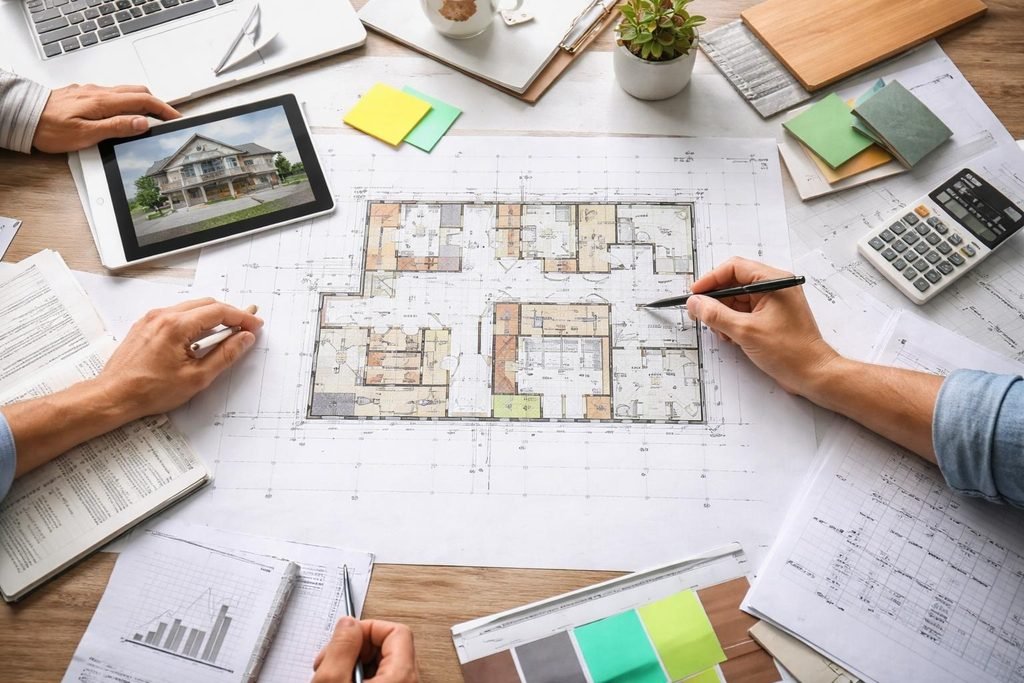
Pre construction planning is the preparation stage that takes place before major building activities begin.
It involves reviewing the proposed construction project, discussing the intended work, considering property conditions, and establishing expectations about the building process.
The purpose is to make important decisions before construction activities become difficult or expensive to change.
For example, a homeowner preparing to build a custom house may need to review the proposed layout, construction budget, and property requirements.
A commercial property owner planning major remodeling may need to consider the existing building and the changes required to support its intended use.
Although the projects are different, both benefit from careful preparation.
Pre construction planning helps connect the property owner’s goals with the work required to complete the proposed building.
The Importance of Early Construction Preparation
Construction involves several activities that depend on decisions made during the planning stage.
When important details remain unclear, problems may appear after work has already started.
For example, a property owner may request a major layout change during construction without realizing that it could affect other parts of the project.
Early preparation provides time to review the proposed work and discuss possible concerns.
It also helps establish clearer expectations about the construction scope, responsibilities, and project requirements.
A well prepared plan cannot eliminate every unexpected condition, but it can reduce unnecessary uncertainty.
Pre Construction Planning and Project Success
A successful construction project requires more than completing the physical building work.
The finished property should support the intended use, reflect the agreed plans, and meet applicable construction requirements.
Pre construction planning contributes to these goals by creating a clearer understanding of the proposed project.
Property owners can review their priorities, discuss the budget, and consider the building activities involved.
This preparation supports more informed decisions before construction begins.
Projects That Benefit From Pre Construction Planning
Pre construction planning is relevant to several types of building projects.
Each project has different requirements, but early preparation helps property owners understand the proposed work.
Custom Home Construction
Custom home construction involves creating a residential property around the homeowner’s individual needs.
The planning stage provides an opportunity to discuss room arrangements, living spaces, and the overall building design.
For example, a family may want larger shared areas, while another homeowner may place greater importance on private rooms.
These preferences should be reviewed alongside the property’s conditions and construction requirements.
Pre construction planning helps establish a clearer direction before building activities begin.
Residential New Construction
Residential new construction involves building a home from the beginning.
Homeowners need to consider the proposed layout, construction scope, and requirements associated with the property.
Without careful preparation, important decisions may remain unresolved when construction starts.
Early planning allows homeowners to review their expectations and discuss the work required to complete the project.
This can make the overall building process easier to understand.
Major Home Remodeling
Major home remodeling involves significant changes to an existing residential property.
Because the building already exists, the proposed work must account for its current condition and layout.
Property owners should consider the improvements they want and the construction activities required to complete them.
Pre construction planning provides time to review these matters before major changes begin.
This is particularly important when remodeling affects several connected areas of the house.
Home Additions
Home additions involve expanding an existing residential structure.
The new space must connect with the original building, making property conditions an important planning consideration.
Homeowners should think about the purpose of the addition and the way it will affect nearby rooms.
For example, extending a living room may create more space, but the proposed layout should still support comfortable movement throughout the house.
Careful planning can help establish whether the intended expansion is practical for the property.
Commercial Remodeling
Commercial remodeling projects involve changing or improving existing commercial spaces.
The planning process should consider the current building and the purpose of the proposed improvements.
Property owners may need to review room arrangements, construction responsibilities, and the work required to complete the project.
Early preparation helps establish a clearer understanding of the remodeling scope.
It also provides an opportunity to address concerns before major building activities begin.
The Pre Construction Planning Process
Pre construction planning involves several connected stages.
The exact activities depend on the project, but understanding the main steps can help property owners prepare for important decisions.
Step 1: Establish the Project Goals
Every construction project should begin with a clear understanding of its purpose.
Think about the result you want to achieve and the needs the completed property should support.
A homeowner may want a larger living area, while a commercial property owner may need to improve an existing layout.
These goals influence the planning process.
Before moving forward, identify the most important requirements and discuss the intended use of the space.
Clear priorities provide direction when later decisions become more complicated.
Step 2: Review the Property Conditions
The existing property can influence the proposed construction work.
For new construction, the building site and its conditions should be considered during planning.
For remodeling and home additions, the current structure becomes an important part of the review.
Property owners in Coastal North Carolina should also consider applicable building requirements associated with the location.
Reviewing these matters early can help identify conditions that may affect the proposed plans.
Step 3: Develop the Construction Scope
The construction scope describes the work intended to be completed.
It should provide a clear understanding of the project’s main activities and expected result.
For example, building a new home involves different construction requirements than expanding an existing house.
A clearly defined scope helps property owners understand the proposed work.
It also provides a reference when discussing changes during later stages.
Step 4: Review the Proposed Building Plans
Building plans should reflect the project goals and the intended use of the property.
Before construction begins, review the proposed layout and consider whether it supports daily activities.
For residential projects, think about the relationship between bedrooms, bathrooms, and shared living spaces.
For commercial remodeling, consider whether the proposed arrangement supports the intended use of the building.
Reviewing these details early can reduce the need for major changes after construction begins.
Step 5: Discuss the Construction Budget
Budget planning is an important part of preparing for construction.
The financial requirements depend on the size of the project, proposed design, property conditions, and construction scope.
Property owners should understand the expected work and discuss the process for handling possible changes.
Unexpected conditions may still arise during construction.
However, clear budget discussions can help establish more realistic expectations before building activities begin.
Step 6: Consider Construction Requirements
Building projects must account for the requirements that apply to the property and proposed work.
These requirements can vary depending on the location and type of construction.
For coastal properties, location specific conditions may influence the planning process.
Property owners should discuss applicable requirements before committing to major building decisions.
Addressing these matters early can help prevent uncertainty later.
Step 7: Prepare for Construction Activities
Once the project goals, scope, budget, and proposed plans have been reviewed, attention can turn toward preparing for construction.
This stage involves understanding the work sequence and the responsibilities associated with the project.
Property owners should discuss the process for communicating progress and addressing proposed changes.
Clear expectations can make the transition from planning to construction more organized.
The goal is to begin building with a shared understanding of the intended work.
A Realistic Example of Pre Construction Planning
Imagine a homeowner in Coastal North Carolina preparing to build a custom home.
The homeowner has a clear idea of the finished property’s appearance but feels uncertain about the construction process.
At first, most attention is focused on the number of rooms and the overall design.
During pre construction planning, the homeowner begins reviewing the proposed layout, property conditions, and construction requirements.
The project goals become clearer as the homeowner considers the way each room will be used.
Budget discussions also help establish expectations about the proposed work.
Instead of beginning construction with several unanswered questions, the homeowner moves forward with a more defined project scope.
This hypothetical example shows the value of early preparation.
Pre construction planning gives property owners time to consider important decisions before major building activities begin.
Errors That Can Create Problems Before Construction
Some construction challenges begin long before building work starts.
Unclear priorities, incomplete plans, and unrealistic expectations can create confusion during later stages.
Recognizing these concerns early can help property owners prepare more carefully.
Starting Without a Clear Project Scope
A construction project can become difficult to manage when the intended work has not been clearly defined.
Property owners may request changes because important details were never discussed during planning.
Before construction begins, establish the main goals and review the proposed work.
A clear scope provides direction and supports better communication.
Ignoring Existing Property Conditions
The condition of a property can affect construction requirements.
This is particularly important for remodeling and home addition projects involving existing structures.
Ignoring these conditions during planning may create uncertainty when building work begins.
Reviewing the property early can help identify matters that need further attention.
Focusing Only on the Finished Appearance
A building may look attractive in a proposed design but still fail to support its intended use.
Property owners should consider the way rooms connect and the activities that will take place inside them.
For residential construction, daily comfort is an important consideration.
For commercial projects, the proposed layout should support the property’s intended activities.
A practical design should balance appearance with function.
Overlooking Communication Before Building Begins
Unclear communication can lead to different expectations about construction responsibilities.
Property owners should understand the agreed scope and the process for discussing changes.
Important decisions should be documented so they can be reviewed later.
Clear communication during planning can reduce misunderstandings as the project progresses.
Practical Tips for Better Pre Construction Planning
Good pre construction planning involves more than reviewing building plans and discussing construction costs. It also means understanding the decisions that may affect the project after work begins.
Many property owners feel excited about starting construction but become concerned when several decisions need attention at the same time.
Taking a careful approach during the early stages can reduce confusion and support a more organized project.
Keep Your Construction Priorities Clear
Every construction project begins with specific goals, but those priorities can become less clear when new ideas arise.
Before making major decisions, identify the improvements that matter most.
For a residential project, this may involve creating comfortable living spaces or improving the existing layout.
For commercial remodeling, the priority may be preparing the property for its intended activities.
Keeping these goals in mind can prevent unnecessary changes to the original project scope.
Review the Complete Building Plan
A construction plan should be considered as a complete project rather than a collection of separate rooms.
Changes to a particular area may affect nearby spaces or other construction activities.
For example, expanding a living room may influence access to another part of the house.
Reviewing the entire layout can help property owners understand these connections before construction begins.
This approach supports more practical design decisions.
Allow Time for Important Decisions
Rushing through construction planning can create problems later.
Property owners may feel pressure to approve plans or make financial commitments before they fully understand the proposed work.
Taking time to review the project scope, budget, and building requirements can reduce uncertainty.
Questions about unclear details should be addressed during the planning stage.
A carefully considered decision is often more valuable than a quick decision that requires changes later.
Keep a Record of Project Discussions
Construction planning involves discussions about design expectations, property conditions, budgets, and responsibilities.
Keeping written records of important decisions can support clearer communication.
These records provide a reference when questions arise during construction.
They can also help property owners understand whether proposed changes affect the original scope.
Good documentation makes the planning process easier to follow.
Pre Construction Planning and the Bigger Construction Strategy
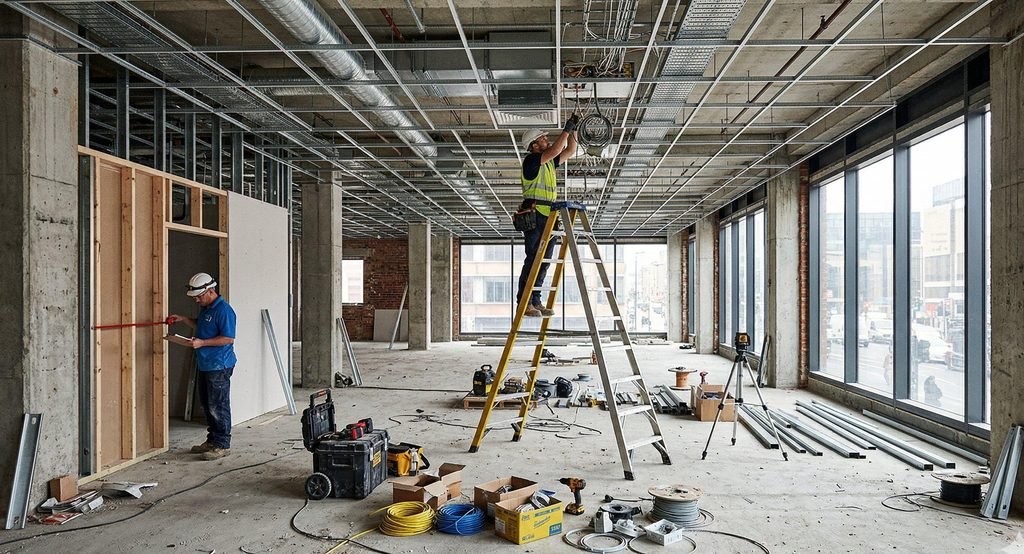
Pre construction planning is closely connected to the entire building process.
Decisions made before construction begins can influence the project scope, work sequence, budget expectations, and finished property.
For homeowners and commercial property owners, a complete construction planning guide provides broader context about the relationship between early preparation and later building activities.
Understanding this connection is important because construction involves several stages that must work together.
Connecting Planning With Construction Activities
Construction activities depend on clear instructions and an agreed understanding of the proposed work.
When plans are incomplete, questions may arise after building has already started.
Pre construction planning provides an opportunity to discuss these matters before major activities begin.
It also helps establish expectations about the construction process and the responsibilities involved.
This preparation can support smoother communication throughout the project.
Planning for Residential Construction
Residential construction projects involve decisions about living spaces, property conditions, and building requirements.
For custom homes, the planning process focuses on the homeowner’s needs and proposed design.
For major remodeling, attention must also be given to the existing structure.
Although the projects differ, both require a clear understanding of the intended construction work.
Early preparation helps connect the proposed plans with the homeowner’s expectations.
Planning for Commercial Construction
Commercial construction projects may involve different requirements depending on the building and proposed improvements.
Property owners should consider the intended use of the space and the changes required to support it.
For commercial remodeling, the existing building is an important part of the planning process.
Reviewing the proposed work before construction begins can help establish clearer responsibilities.
It also provides time to address concerns about the project scope.
When Professional Pre Construction Planning Support Matters
Some construction projects involve decisions that are difficult to manage without professional guidance.
You may understand the result you want but feel uncertain about the work required to complete it.
This can be particularly stressful when the project involves significant financial commitments or changes to an existing property.
Professional pre construction planning support can provide greater clarity about the proposed scope, building considerations, and construction responsibilities.
Preparing for Custom Home Construction
Building a custom home involves several important decisions before construction begins.
Homeowners need to consider the proposed layout, property conditions, and overall project expectations.
A construction professional can discuss these matters during the early planning stage.
This gives homeowners an opportunity to review their priorities before major building activities start.
Preparing for Major Remodeling
Major remodeling projects involve working with an existing building.
The current structure and proposed changes can influence the construction process.
Professional planning discussions can help property owners understand the work being considered.
This is especially important when remodeling affects several connected areas of the property.
Understanding Contractor Responsibilities
Property owners may feel uncertain about who is responsible for coordinating different construction activities.
A general contractor typically manages construction work and coordinates the activities involved in completing a building project.
Understanding these responsibilities can support clearer communication before construction begins.
It is important to discuss the proposed work, expectations, and responsibilities with the contractor involved.
Pre Construction Planning in Coastal North Carolina
Residential and commercial construction projects in Coastal North Carolina require attention to the property and the work being proposed.
Maxwell Construction Company provides custom home construction, residential new construction, major remodeling, home additions, commercial remodeling, and preconstruction planning services throughout Coastal North Carolina.
Property owners preparing for construction can contact Maxwell Construction Company to discuss their project goals and planning needs.
An early conversation can provide an opportunity to review the intended work and understand the next steps before construction begins.
Conclusion
Pre construction planning is an important stage of preparing a residential or commercial building project.
It provides time to review project goals, understand property conditions, discuss the budget, and establish expectations before major construction activities begin.
Whether you are preparing to build a custom home, remodel an existing property, or expand a residential building, careful preparation can support better decisions.
A clear construction scope and good communication can reduce unnecessary confusion during the building process.
For property owners in Coastal North Carolina, discussing construction requirements and project expectations before work begins is a practical step toward a more organized project.
Start by reviewing your goals, considering the proposed work, and discussing the project with a qualified construction professional.
Frequently Asked Questions About Pre Construction Planning
1. Is pre construction planning necessary for residential projects?
Yes. Pre construction planning helps homeowners review building plans, property conditions, construction requirements, and project expectations before major work begins.
2. Can pre construction planning reduce unexpected costs?
Careful planning can identify potential concerns and establish clearer budget expectations. However, unexpected property conditions or construction changes may still affect the final cost.
3. Is pre construction planning important for remodeling?
Yes. Remodeling involves working with an existing structure, making property conditions and proposed changes important planning considerations.
4. When should pre construction planning begin?
Pre construction planning should begin before major building activities start. Early preparation provides time to review the project scope and address important questions.
5. Can a contractor assist with pre construction planning?
Yes. A qualified construction contractor can discuss the proposed work, review project expectations, and provide guidance about construction responsibilities.